Comprehensive Waste Removal Solutions in Docklands

Introduction to Waste Removal in Docklands
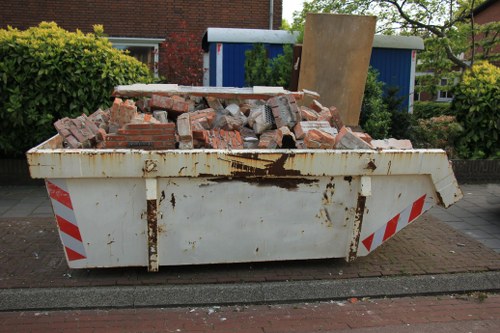
A large, white metal skip bin positioned on a paved street outside a residential area, filled with assorted red and grey bricks and rubble, some stacked loosely while others are scattered. The bin shows signs of rust and dirt, especially along the top edge and front panel, with red and white striped warning markings on the sides. In the background, there are green bushes, a brick house with white window frames, and a blue shed with a small window. The scene appears to be during daytime with natural lighting, typical of rubbish removal or construction debris clearance in the Docklands area, managed by Commercial Waste Removal Docklands, reflecting an environment ready for rubbish collection and disposal services.

Docklands, known for its bustling ports and vibrant waterfront, generates a significant amount of waste daily. Efficient waste removal in this area is crucial to maintain its aesthetic appeal and environmental health.

Managing waste in such a dynamic environment involves addressing unique challenges, including high population density, industrial activities, and tourist influx.

Understanding the intricacies of waste removal in Docklands is essential for businesses, residents, and local authorities to collaborate effectively.

Types of Waste Generated
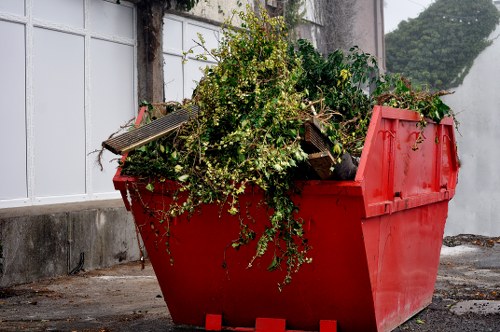
A large red plastic skip positioned outdoors on a paved surface, filled with a mixture of garden waste including leafy branches and small twigs, along with pieces of wooden slats and garden furniture parts. The skip is situated against a background of a white fence with glass panels, and behind it, there is foliage from nearby trees and bushes, suggesting a residential or commercial property setting in the Docklands area. The environment appears to be well-lit with natural daylight, emphasizing the textures of the waste materials and the vibrant red colour of the skip, which is indicative of rubbish removal services such as those provided by Commercial Waste Removal Docklands as part of effective waste management strategies.

Residential Waste

Residential areas in Docklands contribute to household waste, which includes organic waste, recyclables, and general refuse.

Commercial and Industrial Waste

Businesses and industries generate diverse waste types, such as packaging materials, hazardous substances, and construction debris.

Green Waste

Parks and recreational areas within Docklands produce green waste, including garden clippings and seasonal plant materials.

Waste Removal Services
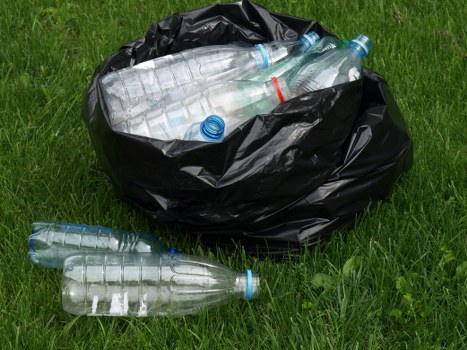
A black rubbish bag made of thick plastic rests on a green grassy area, partially filled with transparent plastic bottles that have blue caps, some of which are visible protruding from the top of the bag. Additional bottles, including one with a red cap, are scattered on the grass nearby, with some positioned horizontally and others leaning against the bag. The background shows uniformly cut grass, indicating an outdoor setting, likely part of a residential or commercial property in the Docklands area. The scene illustrates waste disposal and recycling efforts typical of rubbish removal services provided by companies like Commercial Waste Removal Docklands, and highlights the importance of proper waste management within urban environments. The lighting is natural, emphasizing the clarity of the plastic bottles and the texture of the grass.

Collection and Transportation

Reliable waste collection services ensure timely removal of waste from various sectors, preventing accumulation and potential hazards.

Recycling Programs

Implementing effective recycling programs helps in reducing landfill burden and promoting sustainable waste management practices.

Hazardous Waste Management

Proper handling and disposal of hazardous waste are vital to prevent environmental contamination and ensure public safety.

Challenges in Waste Removal
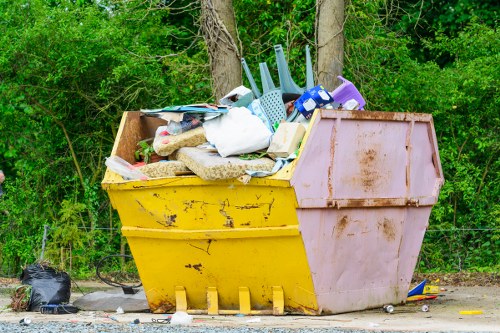
A large yellow and pink skip bin, situated outdoors on a gravel surface, filled with assorted household waste including plastic buckets, a foam mattress, fabric materials, and various miscellaneous rubbish items. The bin's yellow exterior appears slightly weathered with some dirt marks, while the pink section shows signs of rust and wear. Behind the skip, there are several tall trees with green foliage, indicating a natural, possibly residential or commercial area in Docklands. To the left of the bin, a black garbage bag rests on the ground, and some small debris, such as a plastic container and a piece of yellow pipe, is scattered nearby. The scene suggests a site where rubbish removal services, like those provided by Commercial Waste Removal Docklands, are being used to clear a mixture of domestic and possibly renovation waste. The environment appears calm and typical of urban waste collection points, emphasizing the importance of professional rubbish management in maintaining cleanliness and environmental health in the local area.

High Population Density

Docklands' dense population leads to increased waste generation, requiring robust infrastructure and efficient management systems.

Space Constraints

Limited space for waste storage and processing facilities poses a significant challenge in implementing effective waste removal strategies.

Environmental Regulations

Adhering to strict environmental regulations necessitates advanced waste management techniques to minimize ecological impact.

Innovative Waste Management Solutions
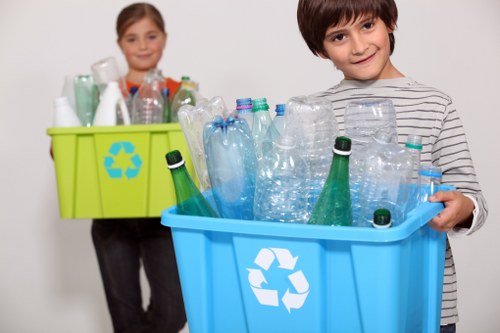
A young boy with dark hair and wearing a grey and white striped long-sleeve shirt is standing in front of a plain white background, holding a bright blue recycling bin filled with numerous clear plastic bottles, some with green and purple caps, and a few transparent plastic containers, all overflowing and stacked irregularly. Behind him, a young girl with light brown hair tied back and wearing a grey top is slightly out of focus, holding a bright green recycling bin that is also filled with used plastic bottles and containers. The setting appears to be indoors, with a simple, neutral backdrop emphasizing the waste materials. The image demonstrates a focus on plastic waste collection, relevant to rubbish removal services in the Docklands area, highlighting the importance of recycling efforts. The scene’s lighting is bright and evenly distributed, bringing attention to the colorful bins and the multitude of plastic waste items, emphasizing environmental responsibility associated with waste management services like those provided by Commercial Waste Removal Docklands.

Smart Waste Monitoring

Leveraging technology for real-time waste monitoring enhances collection efficiency and reduces operational costs.

Waste-to-Energy Plants

Converting waste into energy offers a sustainable alternative to traditional waste disposal methods, contributing to renewable energy goals.

Community Engagement

Engaging the community through education and participation fosters a culture of responsibility and effective waste management.

Benefits of Effective Waste Removal

Environmental Protection

Proper waste management safeguards natural resources, reduces pollution, and promotes biodiversity in Docklands.

Public Health Improvement

Efficient waste removal minimizes health hazards by preventing the spread of diseases and maintaining sanitary conditions.

Economic Advantages

Investing in waste removal infrastructure creates job opportunities and stimulates economic growth within the region.

  • Job creation in waste management sectors
  • Revenue generation through recycling initiatives
  • Cost savings from reduced environmental remediation

Contact us today to learn more about our waste removal services and how we can help maintain the cleanliness and sustainability of Docklands.

Sustainable Practices in Waste Removal

Reduce, Reuse, Recycle

Promoting the three R's is fundamental to minimizing waste and enhancing resource efficiency in Docklands.

Composting Initiatives

Implementing composting programs for organic waste transforms it into valuable soil amendments, supporting urban gardening and green spaces.

Eco-friendly Waste Containers

Using recyclable and biodegradable waste containers helps in reducing the environmental footprint of waste collection processes.

  • Biodegradable bins for organic waste
  • Recyclable containers for packaging materials
  • Smart bins with tracking capabilities

Book your service now and take a step towards a greener Docklands with our sustainable waste removal solutions.

Regulatory Compliance and Standards

Local Waste Management Policies

Adhering to Docklands' local waste management policies ensures compliance with legal requirements and promotes best practices.

International Environmental Standards

Meeting international standards enhances the credibility of waste removal services and aligns with global sustainability goals.

Regular Audits and Assessments

Conducting periodic audits helps in identifying areas for improvement and maintaining high standards in waste management.

  • Compliance with EPA regulations
  • ISO certifications for waste management
  • Continuous improvement through regular assessments

Get in touch with our experts to ensure your waste removal practices meet all regulatory standards and contribute to a sustainable Docklands.

Future of Waste Removal in Docklands

Technological Advancements

Emerging technologies like AI and IoT are revolutionizing waste management, making it more efficient and responsive.

Circular Economy Models

Embracing circular economy principles promotes the continual use of resources, minimizing waste generation in Docklands.

Collaborative Efforts

Partnerships between government, businesses, and the community are essential for developing innovative waste removal solutions.

  • Investment in smart infrastructure
  • Research and development in waste technology
  • Community-driven recycling programs

Contact us today to be part of the future of waste removal in Docklands and contribute to a sustainable and thriving waterfront community.

Frequently Asked Questions

The primary goals include reducing waste generation, increasing recycling and reuse, ensuring safe disposal of hazardous materials, minimizing environmental impact, and promoting sustainable practices within the Docklands area.

Businesses can reduce waste by implementing waste audits, adopting reusable materials, optimizing processes to minimize waste, encouraging digital documentation, and engaging employees in sustainability initiatives.

Effective recycling programs include separate collection for materials like paper, plastics, metals, and glass, providing accessible recycling bins, offering composting options, and conducting regular public education campaigns to encourage participation.

Hazardous waste should be collected separately, stored safely, and handled by licensed disposal companies. It's essential to follow local regulations, provide proper training for handling hazardous materials, and ensure clear labeling and documentation.

Public education raises awareness about the importance of waste reduction, proper sorting, recycling practices, and the environmental impact of waste. Educated communities are more likely to participate actively in sustainable waste management efforts.

Waste reduction can be achieved by promoting the use of reusable products, encouraging minimal packaging, supporting local recycling facilities, implementing take-back schemes, and fostering a culture of sustainability among residents and businesses.

Necessary infrastructure includes designated waste collection points, recycling centers, composting facilities, proper storage areas for different types of waste, efficient transportation systems for waste collection, and technology for waste sorting and processing.

Technology can improve waste management through smart bins with sensors, data analytics for optimizing collection routes, automated sorting systems, online platforms for waste tracking, and mobile apps to educate and engage the community in recycling efforts.

Environmental benefits include reduced pollution, conservation of natural resources, lower greenhouse gas emissions, decreased landfill usage, improved public health, and enhanced biodiversity within the Docklands area.

Ensuring compliance involves staying informed about local and national regulations, regular training for staff, proper documentation and reporting, conducting audits, and working with certified waste management providers to adhere to legal standards.

Incentives may include tax breaks for businesses that reduce waste, rewards for high recycling rates, grants for sustainable projects, reduced waste collection fees for compliant residents, and recognition programs to honor environmentally responsible individuals and organizations.

Community engagement can lead to increased participation in recycling programs, better waste sorting practices, volunteer initiatives for clean-up events, collaborative problem-solving, and stronger support for sustainable policies and infrastructure developments.
Commercial Waste Removal Docklands

Explore comprehensive waste removal solutions in Docklands, addressing challenges, types of waste, innovative practices, and future advancements for a sustainable waterfront.

Book Your Commercial Waste Removal Docklands

Get In Touch With Us.

Please fill out the form below to send us an email and we will get back to you as soon as possible.