Commercial Waste Removal in Docklands

Commercial waste removal in Docklands needs to be organised around trading hours, access points and the type of material being taken away. We provide a practical service for offices, shops, managed buildings and other commercial premises that need a clear, orderly way to deal with refuse, bulky items and mixed non-hazardous waste. The aim is straightforward: remove what should not stay on site, separate what can be reused or recycled where possible, and leave the area ready for everyday use.
Our service is suited to routine clearances as well as one-off collections after refits, relocations or storage changes. We handle typical business waste streams such as desks, chairs, shelving, packaging, archived paper, display items and general rubbish, with options shaped by the volume and layout of the premises. If you need a tidy, dependable clearance rather than a makeshift haul-away, we can help with a plan that matches the job.
For a quote, use the pricing and quotes page or read on for the service areas that are most often requested by commercial customers in Docklands.
Office waste and business premises clearance
Office clearances usually need more care than a simple rubbish lift because the waste is varied and often tightly packed into work areas. We remove a wide range of office items, including desks, task chairs, meeting tables, filing units, computer peripherals, shelving and broken fittings. Where premises are changing use, the collection can also include accumulated packaging, stored equipment and end-of-life items that are taking up valuable floor space. The work is planned so that the site stays manageable while items are taken out in an orderly way.
Commercial premises often need waste removal with minimal disruption, especially where staff, visitors or building management are sharing the space. We can deal with items from individual suites, shared floors and back-of-house areas, and we keep the service focused on the material that is ready to leave the property. If your business is arranging a move or simply clearing old stock and furniture, the main point is to identify the load clearly so that the collection can be prepared properly. Clear information helps avoid delays, especially when access or lift use needs to be considered.
When you are comparing options, think about the type of waste, the amount of lifting involved and whether anything should be separated before collection. For many customers, a sensible approach is to group items by category and decide what is staying, what is reusable and what is ready for disposal. You can also make an enquiry now if you want to move from planning to booking without unnecessary back-and-forth.
Furniture disposal for commercial interiors

Furniture disposal is one of the most common reasons businesses arrange commercial waste removal, and it often involves more than simply carrying items out of a room. Office furniture may include desks, pedestal drawers, cabinets, reception seating, breakout tables and storage units, all of which need handling in a way that suits the site. Some pieces can be moved in sections, while others need extra attention because they are bulky, awkward or fixed into a larger layout. The service is built around getting these items out safely and efficiently.
We also deal with mixed furniture loads where the contents include usable and worn-out items together. In practice, that means separating furniture from general rubbish and identifying items that are better suited to recycling routes than standard disposal. Customers often want to clear a suite before a new fit-out or remove a handful of large items after a redesign. In either case, the useful decision is whether the load is a simple furniture pick-up or a more varied clearance involving packaging and miscellaneous waste as well.
- Workstation furniture and storage
- Reception and breakout items
- Mixed office clearances with non-hazardous waste
How collections are prepared
Good preparation makes commercial waste removal easier to manage, but it does not need to be complicated. A short list of the items to be removed is often enough to start, especially if the load includes furniture, paper waste, shelving or general rubbish. It also helps to note whether the waste is on one level or spread through several rooms, because that affects the time needed to move it out. If there are lifts, loading points or building rules to follow, those details should be shared early.
Some jobs are straightforward, while others involve mixed items in storage cupboards, back offices or shared corridors. In those cases, the main task is to decide what stays and what goes so the clearance can be completed without confusion. Photographs can help when you are describing a varied load, but they are useful rather than essential. The aim is not to overcomplicate the process; it is to make sure the collection matches the space and the type of waste.
If you are trying to arrange the work quickly, keep the enquiry focused on the waste type, approximate volume and access conditions. That gives a better basis for planning than a vague request alone, and it usually leads to a more accurate quotation. Once the main details are clear, the rest of the job becomes much easier to coordinate.
Business waste, packaging and recurring clearance needs
Everyday commercial waste streams
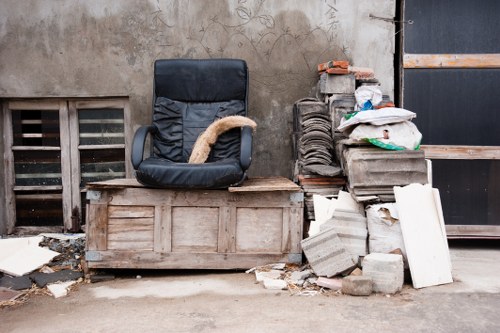
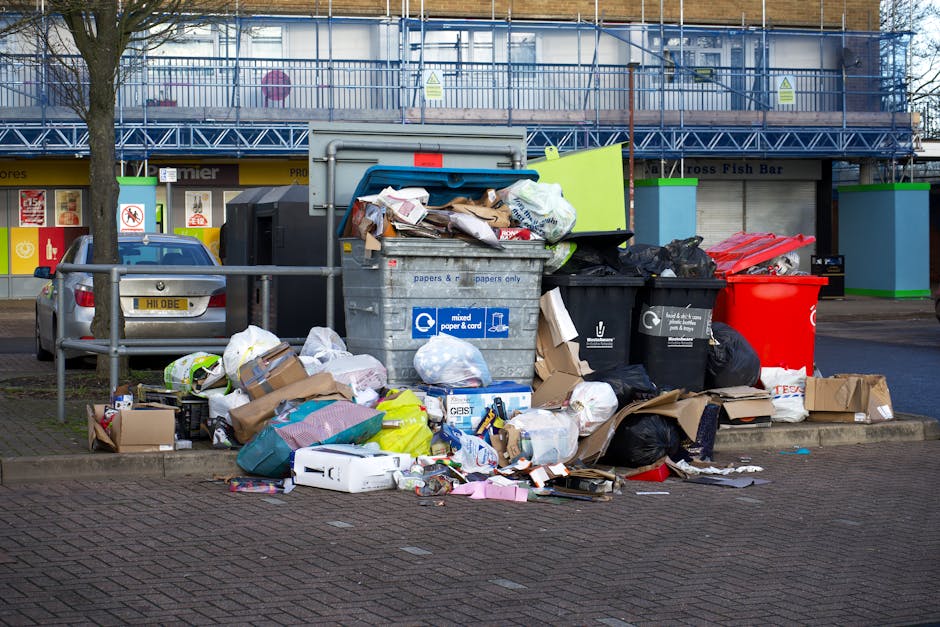
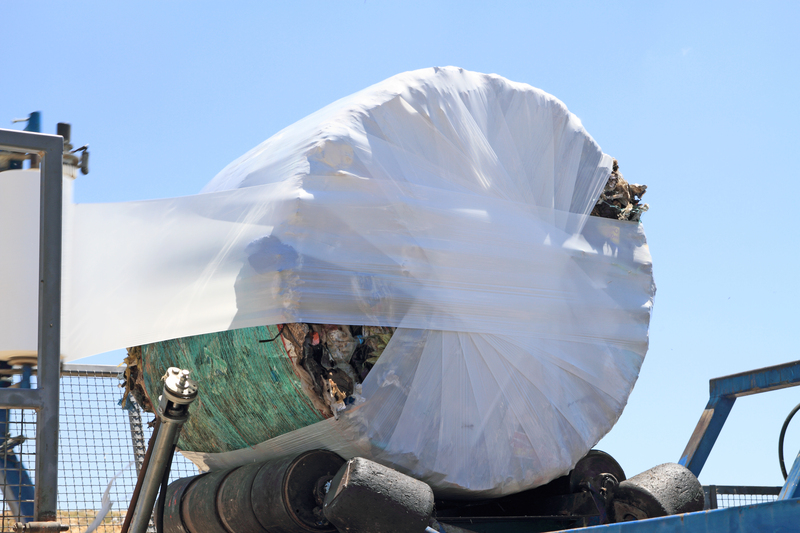
Many businesses need help with waste that builds up steadily rather than all at once. That can include cardboard, shrink wrap, broken packaging, office paper, unwanted stock, display material and minor mixed rubbish from day-to-day operations. We remove these loads as part of a wider commercial waste service, keeping the collection focused on non-hazardous material that is ready for disposal. For some customers, the service is a practical way to prevent storage rooms and back areas becoming overfilled with items that no longer serve a purpose.
Recurring waste removal is useful where premises generate a regular stream of material that should not be left to accumulate. The exact arrangement depends on how the site operates, how much waste is produced and how easy it is to access the items. Rather than treating each clearance as identical, it is better to look at the common waste types and the rhythm of the business. That makes it easier to match the collection to actual use, whether the site is occupied every day or only at certain times of the week.
Choosing the right scope for the job
Some customers only need a small collection from one office or storage area, while others have several categories of waste spread across the premises. If the load includes both furniture and general rubbish, it is useful to describe each part separately so the work can be arranged correctly. A business waste removal service is often the best fit when the waste is mixed but still clearly commercial, while more specific items may call for a different disposal route. The main decision is not just how much there is, but what sort of material it is and where it sits on the site.
End-of-use items and specialist household-style clearances for business premises
Commercial sites do not only produce desks and paperwork. They can also generate item-specific loads such as redundant fridges, old sofas from staff rooms, mattresses from accommodation areas, and other bulky pieces that have reached the end of their use. These items need a service that understands both their size and their disposal route. We deal with these collections as part of a broader commercial waste removal offering when the items are ready to leave the property and do not require a specialist hazardous process.
Where a site includes break areas, temporary accommodation or customer-facing spaces, the waste may be a mixture of workplace furniture and domestic-style bulky items. That can be harder to sort than a standard office clearance because the load may combine different materials and shapes. A practical approach is to identify the bulky pieces first, then set them against the remaining general waste. This helps determine whether the job is best handled as a single clearance or broken into separate parts.
For premises with old appliances or furniture waiting in storage, clarity about the items matters more than long explanations. List the bulky pieces first, then add any mixed waste around them. If you need to progress the job, send the details through so the collection can be assessed against the actual contents and the access conditions on site.
About Docklands
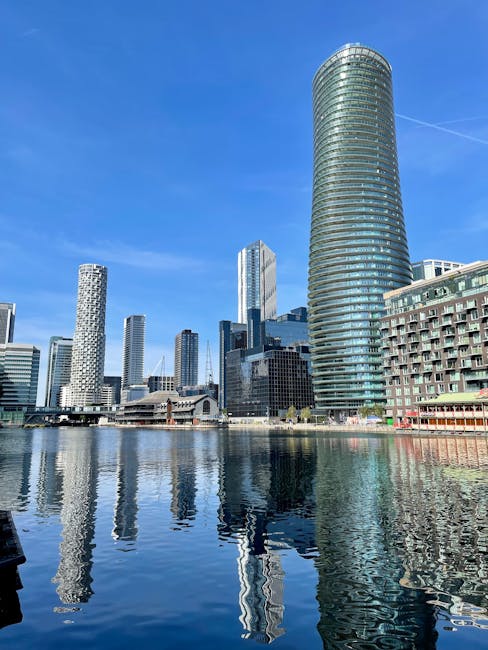
Docklands refers to a group of regenerated riverside districts in east and south-east London that grew out of the former docklands of the Port of London. The area is closely associated with large-scale nineteenth- and twentieth-century maritime infrastructure, much of which declined after the containerisation of shipping and the movement of cargo handling downstream. From the late twentieth century onwards, new residential towers, commercial schemes and transport links transformed much of the landscape, while older dock basins, wharves and waterside alignments continued to shape its form. Canary Wharf is one of the best-known parts of this wider district, with its concentration of offices and tall buildings forming a sharp contrast to the earlier industrial geography. Docklands includes a striking mix of waterways, bridges, former warehouse fabric and modern development, with the Thames and its connected docks remaining central to how the area is read and experienced. Limehouse Basin, West India Docks, Millwall Dock and Royal Victoria Dock are among the names that mark its maritime past and present spatial character. The area is also known for transport routes such as the Docklands Light Railway, which helped to connect former dockland sites with surrounding parts of London and support the wider regeneration pattern. While many streets and quays have been rebuilt, the water spaces still provide a visual memory of the working port that once occupied much of the district.
Hazardous and controlled waste
Not every load can be handled as ordinary commercial rubbish, and it is important to separate controlled material from standard clearance work. Hazardous waste may include substances or items that need special handling because of contamination, chemical content or other regulated risks. When that is the case, the collection has to be assessed on its own terms rather than bundled into a general waste removal request. We do not present every job as if it were the same, because the type of material determines how it should be managed.
Where hazardous items are involved, the first step is to identify them clearly and avoid mixing them with regular refuse. This is especially important in commercial environments where a room or store area can contain ordinary packaging alongside more sensitive material. A careful description of the waste helps define whether it belongs within a standard clearance or requires a different process. That distinction protects the rest of the job from becoming unnecessarily complicated and supports a more accurate assessment of what needs to be removed.
If you are unsure how to classify a load, describe the contents plainly and avoid over-promising what is inside it. Simple, accurate wording is better than guesswork. For non-hazardous jobs, a commercial waste collection can usually be planned around the actual items on site, and that gives you a clearer starting point before you request a quotation.
Furniture, fixtures and mixed clearance planning

Commercial clearances often combine furniture with other items that have built up over time. A storage room might include filing cabinets, spare chairs, boxed equipment and general clutter, while a refit could leave behind broken fittings, packaging and obsolete display material. The best results come from treating the job as a whole rather than focusing on only one object type. We can remove mixed loads where the main requirement is to clear the space properly and deal with the waste in a sensible sequence.
When furniture is still serviceable, some businesses want it moved out as a separate part of the clearance so it can be reused, repurposed or passed on elsewhere. Other pieces are simply ready for disposal, especially if they are damaged, outdated or no longer suitable for the premises. It helps to say which category applies to each group of items, because that affects how the collection is planned. The clearer the split between reusable furniture and waste, the easier it is to organise the work.
Furniture disposal is useful when the load is dominated by desks, seating and storage units, while office clearance is better suited to broader room-by-room removal. If your priority is to restore order to the site rather than simply carry out a one-item collection, these options provide a practical starting point for planning the work.
Recycling, disposal and responsible handling
Responsible commercial waste removal is not only about taking items away; it is also about dealing with different materials in a sensible way after collection. Offices and business premises generate wood, metal, plastics, paper, fabric and mixed components, and these do not all follow the same route. Where items can be separated for recycling or further processing, that is preferable to sending everything into one mixed stream. This is especially relevant when the clearance includes older furniture, office equipment or large amounts of packaging.
Customers often want reassurance that a collection is being handled with a practical understanding of material type, not just volume. That does not mean promising a particular recovery rate or outcome, but it does mean giving each load the attention it needs. An office suite with a few desks and chairs is very different from a store room packed with mixed items, and the clearance should reflect that difference. By identifying the material before it is removed, you make it easier to match the disposal method to the waste itself.
You can also review our recycling and sustainability page if you want more context on how separated materials are considered. For a simpler route into the job, the final step is plain enough: request a quotation and describe the waste in ordinary terms so the collection can be planned properly.
Choosing the right commercial clearance
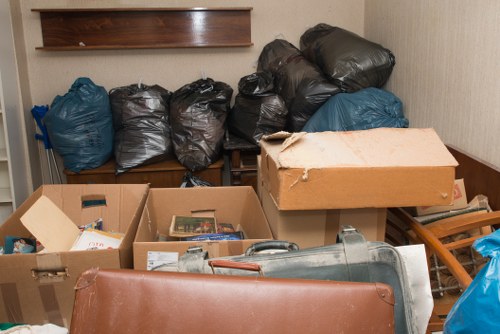
Different premises call for different clearance choices. A managed office floor may need a careful furniture and paper removal, while a back office or stockroom might need a broader commercial waste clear-out involving mixed rubbish and redundant items. The point of the service is to match the collection to the actual use of the site, not to force every job into the same shape. That is why it helps to decide whether the work is primarily about furniture, day-to-day rubbish, or a combination of both.
Some customers want a one-off clearance after a refit or move, while others are trying to regain control of a room that has become congested with stored items. Both situations are valid reasons to arrange collection, but they are not identical in scope. A good brief tells us which parts of the premises matter most, what needs to leave, and whether there are items that should remain in place. That makes the service more efficient and keeps the process focused on the real task.
If you are ready to take the next step, use the contact us page to ask for a quotation. If you would rather look at timing first, the book online page is another straightforward way to start arranging commercial waste removal in Docklands.