Complaints Procedure for Commercial Waste Removal Docklands
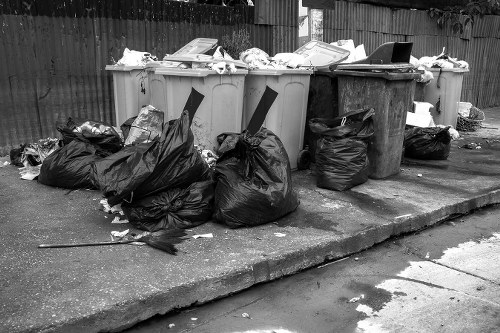 This Complaints Procedure sets out how concerns about commercial waste removal in the Docklands area are handled by a professional rubbish and refuse removal provider. Its purpose is to make sure that every complaint is recorded, investigated and resolved in a fair, consistent and timely way. The procedure applies to complaints about collection schedules, bin servicing, container damage, missed collections, staff conduct and any other aspect of a contracted waste collection service. It also explains expected timeframes, escalation routes and the remedies that may be offered where service standards are not met.
Scope and Definitions
This procedure covers complaints about commercial waste removal in Docklands and related services such as recycling collection, hazardous waste handling and bulky item removal. It is not a purchasing or contract negotiation document. For clarity, a complaint is any expression of dissatisfaction about our rubbish collection or waste removal services that requires a response. A service fault is a confirmed failure to meet agreed performance standards and may be remedied under the contract terms.
 Complaints can be categorised to help response prioritisation. Typical categories include:
- Missed or delayed collections affecting business operations
- Damage to property or on-site fixtures during bin collection
- Health and safety concerns linked to waste handling
- Inaccurate invoicing or billing disputes
- Unprofessional conduct by collection crews
How to make a complaint: any authorised representative of a commercial account may submit a complaint through the channels specified in their service agreement. When raising a concern, complainants should provide: the account or site reference, date and time of the incident, a concise description of the issue and any evidence such as photographs or gate log entries. Providing full details at the outset helps speed up initial assessment and reduces the need for follow-up questions.
Acknowledgement and Initial Assessment
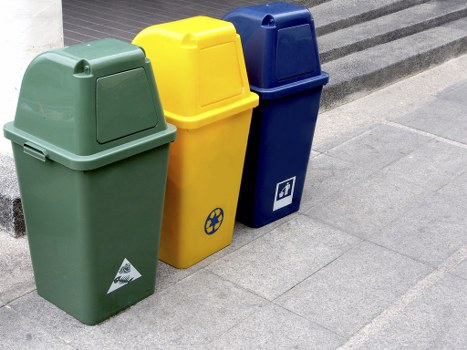 On receipt of a complaint, the operations team will acknowledge it promptly. An initial assessment determines the priority level and whether immediate remedial action is required to prevent harm, environmental risk or operational disruption. Urgent issues such as spillage, hazardous waste exposure or blocked access will be escalated for immediate on-site intervention. Non-urgent matters will be scheduled into the investigative process and assigned to a case handler.
Investigation steps include collecting relevant records, checking vehicle and crew logs, interviewing staff, reviewing CCTV or photographic evidence and cross-referencing service schedules. The investigation aims to establish facts objectively, determine root causes and recommend corrective measures. Investigations are conducted impartially and notes are retained on file to support audit and compliance obligations.
Resolution and Remedies: when a service fault is confirmed, remedies may include making up missed collections, repairing or replacing damaged containers, issuing a credit where appropriate or adjusting future service levels. Remedies are proportionate to the impact and consistent with contractual terms. Where a failure exposes a client to regulatory risk, the company will work collaboratively to support any required remediation, though responsibility for compliance ultimately rests with the waste producer under applicable waste management regulations.
 If a complaint cannot be resolved immediately, the complainant will receive a written outcome that explains the findings, any remedial action taken or proposed, and the timeframe for completion. Expected resolution times are published internally for performance monitoring: minor issues are typically resolved within 5 to 10 business days; more complex investigations may take up to 30 business days depending on the nature of the matter and availability of evidence.
 Escalation and appeal: if the complainant is not satisfied with the initial resolution, they may request a formal review. The review is conducted by a senior manager who was not involved in the original investigation. The review examines whether procedures were followed, whether the remedy offered was appropriate and whether additional action is warranted. The outcome of the review will be communicated in writing and considered final within the company's internal governance framework.
Record Keeping and Data Protection: all complaints and investigation records are retained securely in accordance with data protection obligations and internal record retention policies. Personal data collected as part of a complaint is used solely for the purpose of investigating and resolving the matter and is not used for unrelated marketing activities. Requests for access to records are handled under applicable data protection laws and company procedures.
Performance Monitoring and Continuous Improvement: complaint trends are analysed periodically to identify recurring issues and opportunities for systemic improvement. Key performance indicators for Docklands commercial rubbish removal services are reviewed, and corrective action plans are implemented where patterns of failure are identified. Staff training, operational changes and supplier review may be used to reduce recurrence of similar complaints.
Legal and Contractual Considerations: this procedure does not override rights or obligations set out in a service agreement or applicable waste management laws. Remedies offered through the complaints process are separate from, and may be without prejudice to, contractual remedies and statutory rights. Where required, matters that raise potential legal liability will be referred to the company’s legal or risk management teams for appropriate handling.
Publication and Review: this complaints procedure is published to ensure transparency about how commercial waste removal issues are handled. It is reviewed periodically to ensure ongoing relevance to operational practices and regulatory changes. Clients and stakeholders should expect consistent, documented handling of complaints that balances fairness, confidentiality and the need to maintain safe, compliant waste management operations.
Responsibility: ultimate responsibility for this complaints procedure rests with senior operations leadership. Day-to-day administration is managed by designated complaint handlers who ensure timely acknowledgement, objective investigation and appropriate resolution. Training is provided to ensure staff understand investigative standards and the importance of unbiased, evidence-based outcomes.
Summary of Commitments: the company commits to acknowledge complaints quickly, investigate thoroughly, communicate clearly and provide proportionate remedies where service standards fall short. Through consistent application of this complaints procedure, commercial waste removal services in the Docklands service area aim to maintain high operational standards and continuous improvement of the rubbish collection experience.