What Happens to Pots and Pans at Recycling Centers?
Have you ever opened up your kitchen cupboard, pulled out an old frying pan, and wondered: "Can I recycle this?" Or maybe you've wondered what happens to pots and pans at recycling centers once you drop them off. The process of recycling cookware isn't quite as straightforward as placing glass bottles and paper in the blue bin, but it's an important part of the sustainable cycle. In this article, we'll provide a comprehensive, SEO-optimized guide on how pots and pans are recycled, the challenges involved, and why it matters to our environment.
Understanding the Materials in Pots and Pans
To fully grasp the journey of cookware at recycling centers, it's essential to first understand the materials involved. Most pots and pans are made from various metals, including:
- Stainless steel
- Aluminum
- Copper
- Cast iron
Additionally, many pans have non-stick coatings (like Teflon), wooden or plastic handles, or even glass lids. This mix of materials can complicate recycling efforts, requiring careful sorting and handling at recycling centers.
Can You Recycle Pots and Pans?
Yes, but with qualifications. Unlike some materials, recycling centers don't always accept pots and pans via curbside pickup. The reason? Their mixed materials, awkward shapes, and sometimes hazardous coatings make them difficult for conventional machines to process.
*What happens to cookware at recycling centers?* The answer largely depends on the type, condition, and material of each item, as well as the policies of your local recycling center.
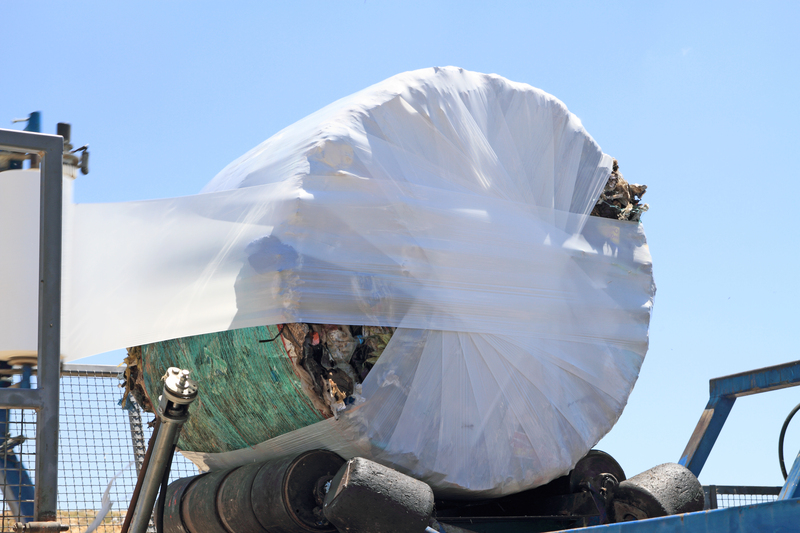
The Step-By-Step Journey of Pots and Pans at Recycling Facilities
1. Collection and Drop-off
- Household Drop-off: Most centers require you to take pots and pans to a designated drop-off location, rather than leaving them at the curb. Some localities may offer metal recycling days, while others partner with scrap metal recyclers.
- Special Programs: Earth Day drives, charities, and second-hand stores may also collect used cookware for either recycling or reuse.
2. Initial Inspection and Sorting
Once your pots and pans arrive at the recycling center:
- Manual Sorting: Workers inspect each item to separate them from other metals and non-recyclable trash.
- Removal of Non-Metal Elements: Handles made from plastic, wood, or glass must be detached. Pan lids are separated from pots if made from different materials.
- Identification of Non-Stick Coatings: Non-stick pans with Teflon or ceramic coatings are sorted, as these require special processing.
3. Cleaning and Preparation
Before recycling, pots and pans must be cleaned of food residue and lubricants. However, some facilities handle minor residues during further processing.
4. Metal Identification and Categorization
The metal composition of your cookware affects its recycling route:
- Magnet Test: Staff use magnets to separate ferrous (magnetic, like cast iron and some stainless steel) metals from non-ferrous ones (non-magnetic, like aluminum or copper).
- Material Grouping: Cookware is sorted into bins based on type and purity--steel, cast iron, aluminum, copper, etc.
5. Shredding and Size Reduction
Large or awkwardly shaped pans and pots move to powerful shredders:
- Breaking Down Cookware: Massive industrial shredders chop the metal into small, manageable pieces.
- Further Sorting: As metals are shredded, additional systems (like eddy currents) sort materials for purity and remove any lingering non-metal or coated components.
6. Melting and Purification
This is the core of metal recycling! Here's what happens to the metal from your pots and pans:
- High-Heat Furnaces: The shredded metal enters huge furnaces. Temperatures soar as the metal melts down.
- Removing Impurities: Any unwanted coatings or attachments burn away, and dross (impurities) floats to the surface for removal.
- Mixing and Alloying: Sometimes, different batches are blended to achieve the right alloy (like stainless steel or pure aluminum).
7. Casting New Products
The clean, molten metal is now ready for a second life:
- Ingot Pouring: The liquid metal gets poured into molds to create standardized ingots or sheets for transport.
- Manufacturing Feedstock: Recycled metal is sent to factories to make new products--maybe even new pots and pans, construction materials, car parts, or electronics.
This closed loop helps conserve natural resources and reduce waste.
What About Pans with Non-Stick Coatings?
Non-stick coatings like Teflon add complexity:
- Specialized Processing: Some centers can recycle non-stick pans, but these usually require the removal (burning or abrasion) of the coating first.
- Environmental Concerns: Teflon and similar chemicals can be hazardous if burned at improper temperatures. Not every recycling plant has the right equipment.
Always check with your local recycling center about their policies on coated cookware.
Pots and Pans That Cannot Be Recycled
Despite the impressive capabilities of modern recycling centers, certain items are problematic:
- Cookware with intense rust, deep non-metallic components, or difficult coatings may not be accepted.
- Some centers do not recycle glass lids, rubber-silicone pieces, or pans with electrical components.
If recycling isn't an option, consider repurposing or donating still-usable cookware.
Why Is Recycling Pots and Pans Important?
- Saves Energy: Recycling metals takes far less energy than mining and refining new ones.
- Keeps Waste Out of Landfills: Metal takes centuries to decompose--recycling keeps harmful substances out of the environment.
- Conserves Resources: Reusing metals reduces the need for mining, protecting natural habitats and saving water.
- Economic Benefits: Recycled metals are valuable feedstocks for manufacturing, supporting jobs and local economies.
Environmental Impact of Metal Cookware Recycling
The environmental benefits of recycling cookware can't be overstated:
- Saving raw materials reduces environmental destruction from mining.
- It decreases greenhouse gas emissions and energy consumption.
- Reduces landfill space and pollution risks.

Tips for Recycling Pots and Pans Responsibly
- Check Local Guidelines: Policies vary widely. Some centers specify which metals or coatings are acceptable.
- Prepare Items: Remove non-metal parts, food residue, and lids when possible.
- Consider Donation: If your cookware is still usable, donate to shelters, charities, or community kitchens instead of recycling.
- Scrap Yards: Many private scrap metal dealers will pay for clean pots and pans, especially aluminum or copper.
- Creative Repurposing: Old pans can become planters, art projects, or tools in the garage or garden.
Frequently Asked Questions on Recycling Cookware
- Can I put pots and pans in my curbside recycling bin?
Rarely. Most curbside programs do not accept large metal items due to their size and mixed materials. It's best to drop them off at recycling centers or scrap yards. - What about pots and pans with plastic handles?
Remove handles if possible. If not, ask your recycling center if mixed materials are accepted. - Are ceramic or glass pots recyclable?
Generally, household recycling programs do not accept ceramics or glass cookware. Check specialized recycling or donation options for these items.
Conclusion: The Journey of Pots and Pans at Recycling Centers
Understanding what happens to pots and pans at recycling centers empowers you to make eco-friendly choices when updating your kitchenware. From collection and sorting to melting, purification, and rebirth as new products, the recycling journey is a complex but worthwhile process. By preparing your items, following local guidelines, and exploring donation or repurposing options, you can minimize waste and help protect our planet.
Remember: The next time you retire a trusty frying pan, its story isn't over--it's just beginning! Through recycling, your old cookware can be transformed and serve useful purposes for years to come.
Key Takeaways: Recycling Pots and Pans
- Most pots and pans can be recycled, but confirm local guidelines.
- Remove non-metallic components for smoother processing.
- Coated and composite cookware may need special handling.
- Recycling conserves energy, resources, and reduces pollution.
- Donating or repurposing are excellent alternatives for still-usable cookware.
If you have questions about recycling metal items, always contact your nearest recycling center or local authority for advice. Together, we can keep our planet cleaner--one pot and pan at a time!
